
In today’s digital world, it seems we upgrade our devices more often than we upgrade our wardrobes. New phones, faster laptops, smarter appliances—all delivered at a dizzying pace that leaves behind a trail of outdated electronics. This rapid churn creates a silent problem few talk about openly: electronic waste. Also known as e-waste, this discarded digital detritus builds up in homes, businesses, and landfills around the globe.
While it might seem harmless at first glance, e-waste is anything but. It holds within it a complex mix of metals, chemicals, and plastics—many of which are toxic. Once these materials enter the ecosystem through improper disposal, they begin to seep into soil, water, and air. What seems like just an old computer in the corner may soon become an environmental hazard capable of impacting generations.
What Exactly Is E-Waste
Electronic waste isn’t limited to broken TVs or outdated smartphones. It’s a broader category that includes microwaves, printers, monitors, fax machines, electric toothbrushes—even that forgotten box of tangled cords under your bed. If it has a plug, a battery, or a circuit board, and it’s no longer usable or wanted, it qualifies as e-waste. These items aren’t trash—they’re ticking time bombs of contamination.
The true scale of e-waste becomes evident when we consider how many electronics surround us daily. Offices, schools, homes—every corner of our lives is teeming with gadgets. As these gadgets become obsolete, they pile up at alarming rates. Each one is a blend of components, many of which are valuable and recyclable, while others are perilously toxic if not handled correctly.
The Environmental Wake of Negligence
Improperly discarding e-waste has long-term consequences that extend far beyond the confines of a local landfill. Toxic chemicals from components such as lead, cadmium, and mercury slowly leak into the earth, contaminating groundwater and endangering nearby ecosystems. Wildlife, crops, and even local drinking water supplies can become poisoned, resulting in ripple effects throughout communities.
Burning e-waste to recover metals or simply to reduce its volume unleashes clouds of carcinogenic smoke. Dioxins, furans, and other air pollutants released during these processes don’t just disappear. They float into our atmosphere, settle into soil, and eventually find their way into our lungs, all because we chose the quick and dirty way over the responsible one.
The Human Toll of Toxic Tech Trash
Beyond the soil and sky, e-waste takes a far more personal toll—on human health. Workers who dismantle electronics without proper safety gear are exposed to dust and fumes filled with neurotoxins and heavy metals. These toxic elements don’t just harm on contact; they accumulate in the body, leading to long-term health issues such as cancer, kidney damage, and developmental disorders.
What’s more chilling is that many of these workers are children in developing countries. Often operating in informal recycling operations, they handle dangerous materials without any protective measures. These sites lack ventilation, regulation, and oversight. The real cost of your discarded laptop might just be a child’s future, health, or even life.
Why Proper Disposal Matters More Than Ever
Responsible e-waste disposal is not a luxury or a trend—it’s a necessity for a livable future. Choosing to recycle or properly discard electronics means reducing the risk of contaminating natural resources and safeguarding public health. But it goes even further: it supports the circular economy by ensuring that precious metals and reusable parts are reintroduced into the manufacturing process.
Think about this: extracting gold from e-waste is significantly less destructive than traditional mining. A single metric ton of e-waste contains more gold than an equivalent amount of ore from a gold mine. Proper recycling not only prevents damage but also recovers valuable resources with a much smaller ecological footprint. It’s a win-win—if we commit to it.
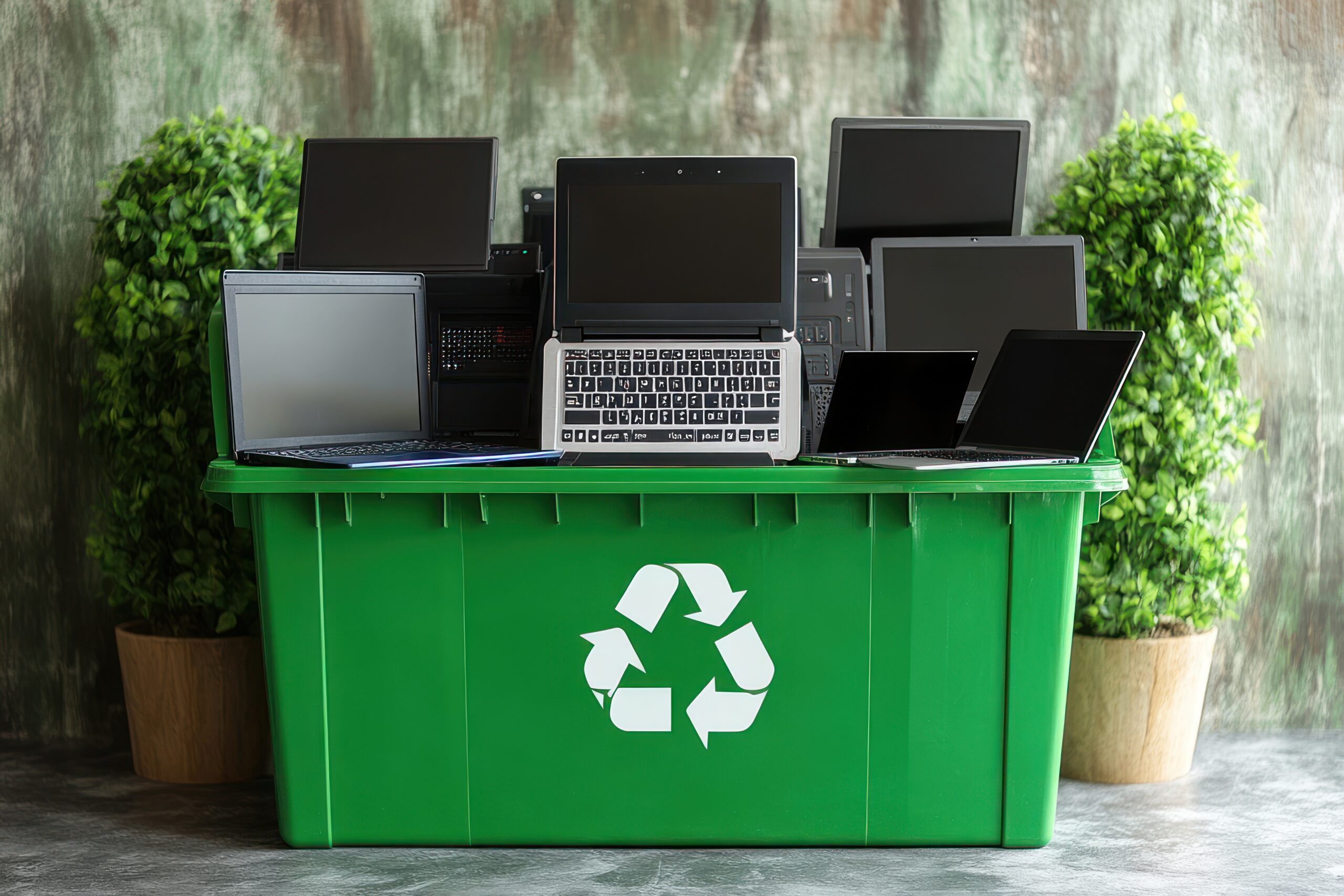
How Recycling Brings New Life to Old Electronics
The recycling process is both intricate and fascinating. Once collected, devices are manually disassembled or fed into automated systems that sort and separate components. Plastic casings are shredded and reused; circuit boards are smelted for their metal content; glass from monitors is recovered and cleaned for reuse. It’s not destruction—it’s transformation.
Each device, no matter how broken, holds something that can be salvaged. Copper wiring, rare earth magnets, lithium from batteries—all of it can be reused in new products. Recycling doesn’t just manage waste—it feeds the production loop, making tech less reliant on raw materials. It’s sustainability in action, woven into every recycled circuit.
Rules That Govern the Digital Graveyard
Fortunately, various nations have implemented laws to regulate e-waste. In the United States, legislation varies by state, but many have passed extended producer responsibility (EPR) laws. These require manufacturers to fund and facilitate recycling programs, ensuring they take responsibility for their products’ full lifecycle. This approach reduces the burden on consumers and local governments.
Globally, the Basel Convention helps monitor and restrict the export of hazardous waste to countries lacking the infrastructure to manage it. These legal frameworks represent an essential step in global cooperation. They’re not perfect, but they establish clear accountability and set a foundation for more sustainable electronics manufacturing and disposal practices.
You, the Consumer: The Unsung Hero
Many people underestimate their power as consumers. Choosing to responsibly discard electronics is one of the simplest yet most impactful ways to combat e-waste. Donating working devices to schools, shelters, or nonprofits keeps them in use longer. Trading in phones or laptops with retailers can ensure proper refurbishment or recycling.
Even something as small as taking a dead battery to a designated drop-off point makes a difference. Collectively, these small actions can prevent tons of hazardous material from entering the environment. Being conscious of what we throw away, and how, turns passive consumption into active stewardship of our planet.
Business, Tech, and Responsibility Intertwined
For businesses, the responsibility multiplies. Offices churn through electronics at an accelerated rate—servers, monitors, phones, and cables become outdated regularly. Implementing structured e-waste policies not only ensures legal compliance but also reduces long-term operational costs. Partnering with certified recycling firms ensures data security, environmental responsibility, and brand integrity.
Some organizations even go a step further by designing tech with recycling in mind. Modular devices, fewer toxic components, and clear labeling all improve recyclability. When companies embrace sustainable design and disposal, it sets a tone for the entire industry. It’s not just good PR—it’s long-term vision.
Innovative Solutions for an Old Problem
Innovation is catching up with the crisis. Across the world, engineers and startups are developing new ways to recycle e-waste more efficiently. Robotic disassembly lines are speeding up the sorting process. AI algorithms can now identify components and direct them toward the appropriate recycling stream with impressive accuracy.
Other methods, like hydrometallurgy and pyrometallurgy, are advancing the safe extraction of rare metals from complex devices. These innovations reduce emissions, enhance material recovery, and make e-waste recycling more scalable. It’s a blend of science, ingenuity, and necessity—and it signals hope that we can outpace the problem before it overtakes us.
The Global Imbalance
Still, the problem persists globally. Wealthier nations often ship e-waste abroad under the guise of recycling, offloading the burden onto communities ill-equipped to handle it. These “digital dumping grounds” become health hazards for people with no other livelihood, working amidst fumes, flames, and fragments of devices once cherished thousands of miles away.
Addressing this requires more than policy—it requires ethics. True sustainability doesn’t shift the burden; it shares the responsibility. Developed countries must invest in infrastructure, education, and accountability to ensure a just approach to global e-waste. Otherwise, we merely outsource the problem without solving it.
Creating a Culture of Awareness
Education remains one of the most potent tools we have. Public campaigns, school programs, and workplace initiatives can turn knowledge into action. When people understand that tossing a phone in the trash has tangible, damaging consequences, they’re more likely to seek alternatives. Awareness leads to change—and change leads to cleaner, healthier communities.
Governments and companies alike must fund and foster these efforts. Whether it’s signage at electronic stores or community workshops, we need to make e-waste management second nature. When people know where to bring their devices, what’s recyclable, and why it matters, responsible disposal becomes habit, not hassle.
Understanding the Importance of Proper
Proper disposal of electronic waste, or e-waste, is crucial to protect both the environment and human health. E-waste contains toxic substances like lead, mercury, and cadmium, which can leach into the soil and water if dumped in landfills. By responsibly disposing of old electronics, we reduce pollution, conserve natural resources, and prevent hazardous materials from contaminating ecosystems and harming wildlife.
Education plays a major role in e-waste management. Many individuals are unaware of the long-term damage improper e-waste disposal can cause. Schools, governments, and environmental organizations must raise awareness about safe recycling methods. Campaigns that highlight the environmental and economic benefits of responsible e-waste handling can inspire communities to adopt more sustainable habits and reduce their electronic footprint over time.
Conclusion
Tackling the e-waste crisis is a shared responsibility. It demands commitment, awareness, and action across all levels of society. By recycling responsibly, we reduce environmental damage, recover valuable materials, and protect human health. We also inspire innovation and strengthen community resilience through sustainable practices.
If you’re in the Magnolia area and need help disposing of your electronic waste the right way, Clutter Ninjas Junk Removal is here to serve. With experience, integrity, and environmental responsibility at the heart of our work, we’re ready to help you dispose of your e-waste safely. Contact us today at 936-262-1999 or email sborne@clutterninjas.com for more information.