When it comes to shed demolition, whether it’s part of a renovation project, clearing out an old structure, or making space for a new outdoor design, the resulting waste can be overwhelming. Managing the debris efficiently is essential not only for safety but also for environmental responsibility and minimizing the mess that accumulates during the process. While the idea of dismantling a shed may seem straightforward, the disposal of the resulting waste can quickly become a daunting task.
Whether it’s a small garden shed or a larger storage unit, managing demolition waste requires careful planning, organization, and an understanding of waste removal options. In this guide, we’ll explore the best practices for managing shed demolition waste, ensuring that the process is smooth, eco-friendly, and cost-effective.
Understand the Types of Waste Generated
Before you can tackle the challenge of managing demolition waste, you need to be aware of the various types of materials your shed is made of. Typically, sheds consist of a combination of wood, metal, plastic, glass, and sometimes even hazardous materials like asbestos. Identifying these materials is the first step toward managing their disposal properly. By categorizing the waste, you can decide whether to recycle, repurpose, or dispose of it in another way. Here’s a breakdown of common materials found in sheds:
- Wood: Often used in framing, flooring, and walls, wood is one of the most common materials found in sheds. If it’s untreated wood, it can often be recycled or repurposed into new projects. However, if it’s been treated with chemicals (like pressure-treated lumber), disposal may need to be handled differently due to potential environmental risks.
- Metal: Metal components like roofing, framing, or siding are common in many sheds. Metals like aluminum and steel can be recycled easily. However, removing metal fixtures and properly separating them from other materials is crucial for maximizing recycling efficiency.
- Plastic: Many sheds feature plastic elements, such as windows, trims, or storage bins. Depending on the type of plastic, it can usually be recycled. However, it’s essential to separate plastic from other materials to ensure effective processing at recycling centers.
- Glass: If your shed has windows, glass can be another waste material. While glass is recyclable, broken or shattered glass must be carefully handled to prevent injuries.
- Hazardous Materials: Some older sheds, especially those built in the mid-20th century, may contain hazardous materials like asbestos. If you suspect your shed contains asbestos or lead paint, it’s crucial to take extra precautions and consult with professionals for safe removal and disposal.
Plan for Efficient Waste Removal
Once you have a clear understanding of the types of materials your shed is made of, the next step is to plan how you will remove and dispose of them. Trying to manage all the waste on your own can lead to accidents or delays, especially if you don’t have the proper equipment. It’s essential to have a waste management plan that includes gathering the necessary tools and resources.
Start by organizing the shed demolition into manageable steps. Start with the most straightforward tasks—removing doors, windows, and any loose materials. Then, proceed with the more complex aspects, such as taking down walls, roofs, and heavy fixtures.
Having a clear, methodical approach will help ensure that you minimize waste and avoid excessive damage to the materials you plan to recycle or reuse.
When handling large volumes of waste, renting a dumpster might be necessary. Depending on the size of your shed and the amount of waste, you may need a dumpster of varying capacities.
A dumpster allows for easy and organized disposal of materials as they are removed. Be sure to have the dumpster on hand for the duration of your project so that you can quickly dispose of the debris as it accumulates. Dumpster rental services are typically available in a range of sizes, from small containers for modest demolitions to larger dumpsters designed for bigger jobs. It’s important to choose a size that accommodates the amount of waste you anticipate.
Consider Recycling and Repurposing Options
One of the most sustainable approaches to managing shed demolition waste is to recycle or repurpose as much material as possible. Not only does this reduce the amount of waste that ends up in landfills, but it can also provide useful materials for new projects, saving money and reducing environmental impact.
Wood Recycling and Repurposing
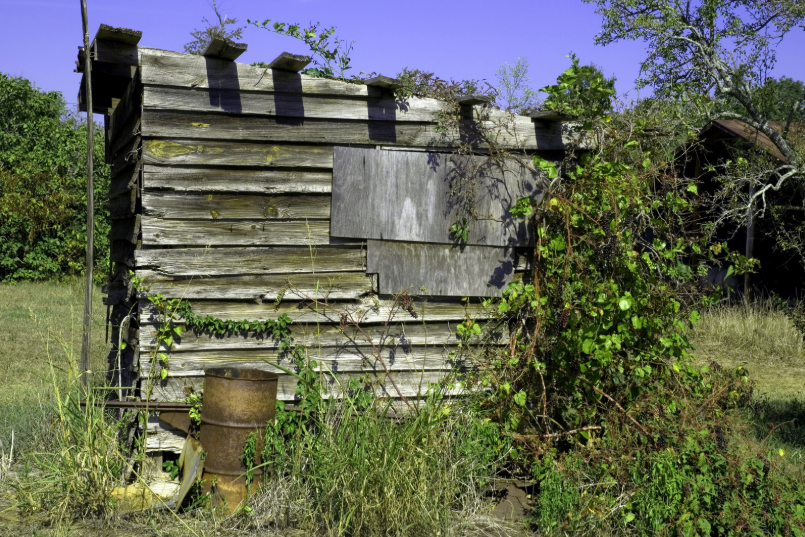
Many types of wood can be repurposed for other DIY projects, like building new furniture, garden beds, or raised planters. If you don’t have a use for the wood yourself, check with local carpenters or woodworking shops—they may be interested in salvaging the wood. Otherwise, wood that’s free from chemicals can often be recycled at dedicated facilities.
Metal Recycling
Metals like steel, aluminum, and copper are valuable materials that are highly recyclable. Scrap metal yards and recycling centers are typically happy to take these materials off your hands. Make sure to separate different types of metals to maximize the recycling process.
Plastic and Glass Recycling
Most plastics and glass can be recycled, but it’s important to ensure they are free of any contaminants before dropping them off at a recycling facility. For instance, plastic windows and trim should be cleaned, and glass from broken windows must be safely bagged to avoid injury.
Repurposing Materials
If you’re feeling creative, consider repurposing materials for new construction projects. For instance, the wood from an old shed might be perfect for building garden furniture, fences, or even small structures like birdhouses. Additionally, metal parts can be used for creating artistic sculptures or small, useful items.
Properly Dispose of Hazardous Materials
If your shed demolition involves hazardous materials, proper disposal becomes even more critical. Hazardous materials may include things like asbestos, lead-based paint, or certain chemicals used in old paints and adhesives. These materials pose a serious risk to health and the environment if not disposed of correctly.
Before beginning demolition, consider having the shed inspected for any hazardous materials. If you discover that the shed contains asbestos or lead-based paint, it’s crucial to hire professionals who are trained to handle such materials safely. These specialists will know how to remove and dispose of the materials according to local regulations. Additionally, they can help prevent contamination of surrounding areas.
Hazardous waste disposal requires proper containment, labeling, and transportation. Attempting to handle these materials yourself can put you at risk of exposure or legal issues, so always err on the side of caution and consult with experts
Hire a Professional Junk Removal Service
If you’re feeling overwhelmed by the scope of the shed demolition waste or if you’re unsure how to properly dispose of certain materials, hiring a professional junk removal service may be the best solution. These services are experienced in managing all types of demolition debris and can handle the entire process for you—from sorting and removing materials to ensuring that everything is disposed of responsibly.
A junk removal service can also assist in minimizing waste by handling recycling and repurposing efforts. They are equipped to take materials to the appropriate disposal facilities and recycling centers, ensuring that your waste is processed in an eco-friendly manner.
Hiring professionals can save you significant time and effort, particularly if you’re dealing with large amounts of debris. Furthermore, it eliminates the need for renting dumpsters or transporting waste on your own, making the entire process much more manageable.
Consider Local Regulations
Before starting the demolition project, it’s important to familiarize yourself with any local regulations regarding the disposal of shed demolition waste. Many municipalities have specific rules regarding what can and cannot be disposed of in landfills, as well as the types of materials that must be recycled. Be sure to research these regulations and ensure that you comply with them to avoid fines or other penalties.
You may also need to acquire permits for the demolition process, especially if your shed is part of a larger structure. Some areas require permits for demolishing or altering certain types of buildings, so it’s a good idea to check with your local government office to avoid potential legal issues.
Sort and Separate Materials Efficiently
When demolishing a shed, the first step to managing waste is sorting materials into categories like wood, metal, concrete, and general trash. This makes the disposal process more organized and eco-friendly. Start by removing reusable parts such as shelves, windows, or doors, which can be saved for future use or donated.
Keep recyclables such as metal nails, hinges, and aluminum sidings in separate bins. Doing this not only reduces landfill waste but also may save you money on disposal costs. Label your bins clearly to avoid confusion and make the cleanup process smoother. Sorting early reduces stress later when it’s time to haul everything away.
Conclusion
Managing shed demolition waste doesn’t have to be a headache. By planning ahead, properly sorting materials, and utilizing recycling or repurposing options, you can reduce the environmental impact of your project and make the waste disposal process as smooth as possible. Whether you’re working on a small backyard shed or a larger structure, taking the time to manage your demolition waste responsibly can lead to a more efficient, eco-friendly project.
If the thought of dealing with the mess and logistics of demolition waste feels overwhelming, consider hiring a professional junk removal service to handle the cleanup for you. Experts in the field can ensure that your shed demolition waste is disposed of safely and in compliance with local regulations, making your life a lot easier.
For shed demolition waste removal and efficient junk removal services in the Magnolia area, consider contacting Clutter Ninjas Junk Removal. Their expert team is equipped to handle all your junk removal needs, from shed demolition to full property cleanups. Reach out to them at 936-262-1999 or via email at sborne@clutterninjas.com for more information.